Skip to content

Designing out drowning through community-led research

The RNLI works to save lives at sea and reduce the risk of drowning around the UK and Republic of Ireland.

Alongside frontline rescue, the charity also explores new products, services and interventions to address the root causes of coastal drowning.

Design Out Drowning was a community-led research project in the South West, supported by the RNLI, that used a design-led approach to develop and test ideas for products, services and interventions grounded in local experience.
Designing out drowning through community-led research

The challenge

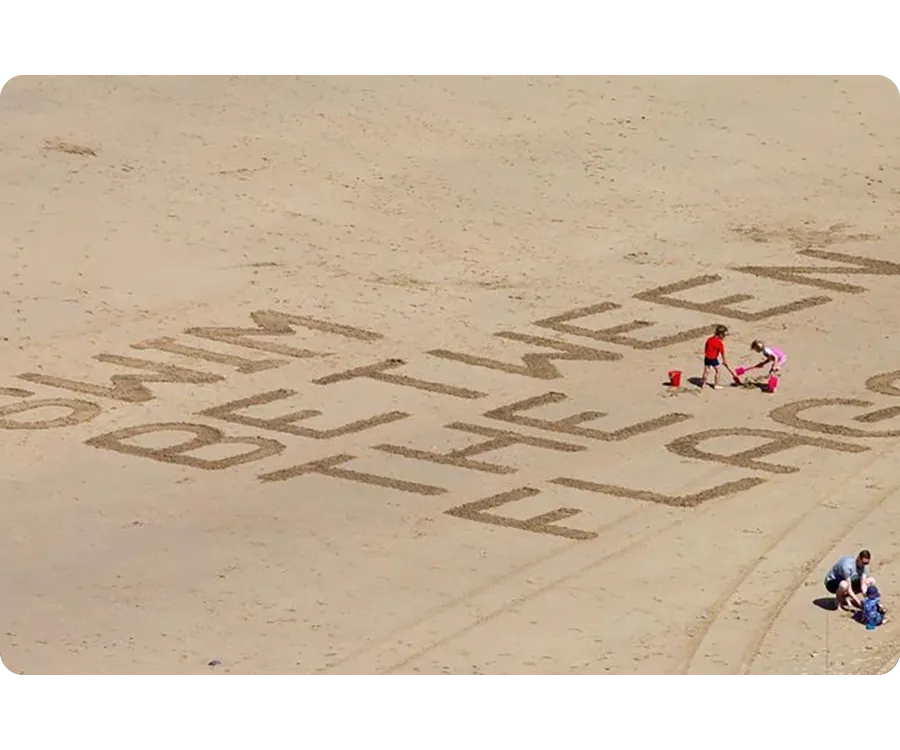
Coastal drowning is complex and deeply contextual.

People get into difficulty for many different reasons; from changing tides and cold water shock to overconfidence, alcohol, poor mental health and social pressure.

Many risks are influenced by behaviour, environment and local culture, and cannot be solved through signage or awareness campaigns alone.

In the South West, busy coastlines in Cornwall and Devon bring together locals, tourists, workers and water users with very different levels of experience.

Understanding how people actually behave at the coast, and why, is essential to designing effective prevention.

The RNLI wanted to explore how community insight and creative thinking could help “design out” drowning before rescue is needed.

The challenge

Our approach

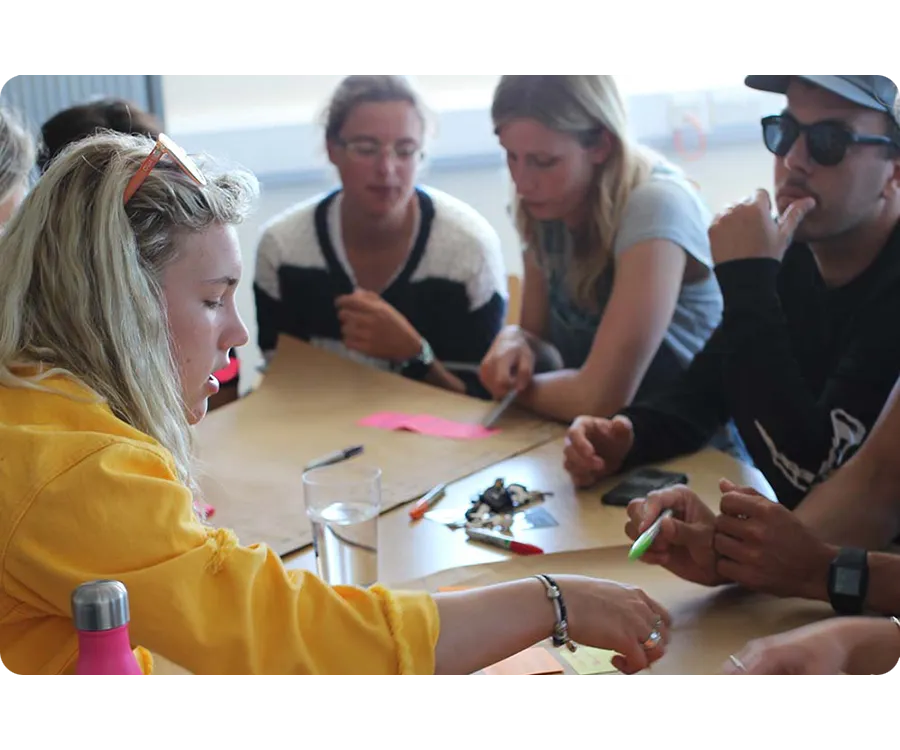
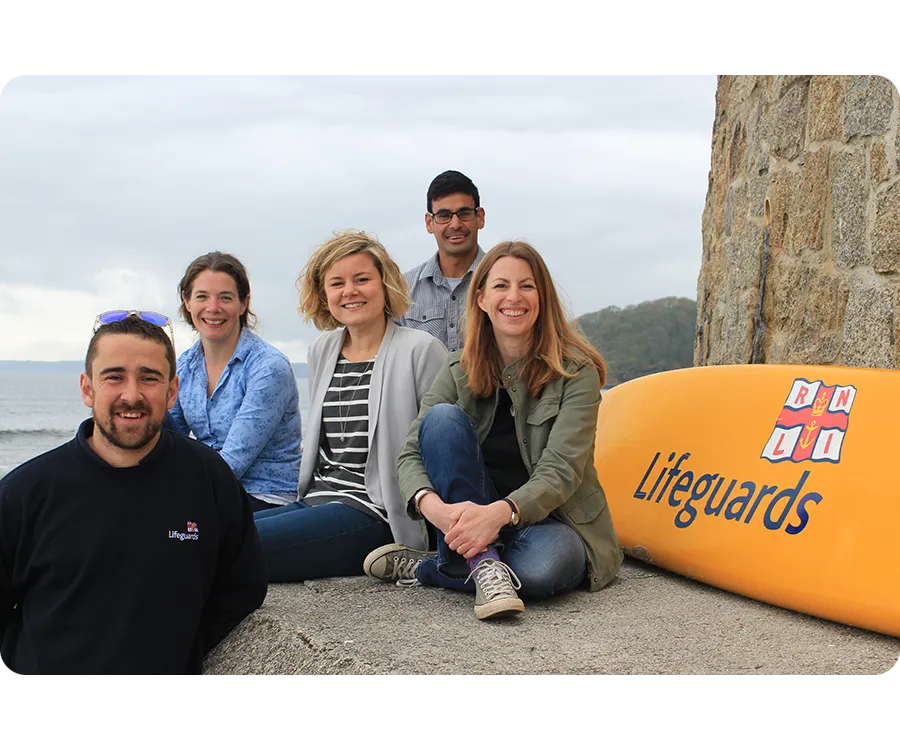
We led this community research programme across Cornwall and Devon, working closely with RNLI teams and local partners.

Using a design-led methodology, we collaborated with creative partners Amy Sergison, Matt Stone, Bethia Thomas and Arts University Bournemouth to observe behaviours, listen to lived experiences and uncover hidden risks.

Our research combined:

  • Data analysis and desk research
  • Ethnographic observation and user journey mapping
  • One-to-one interviews and filmed stories
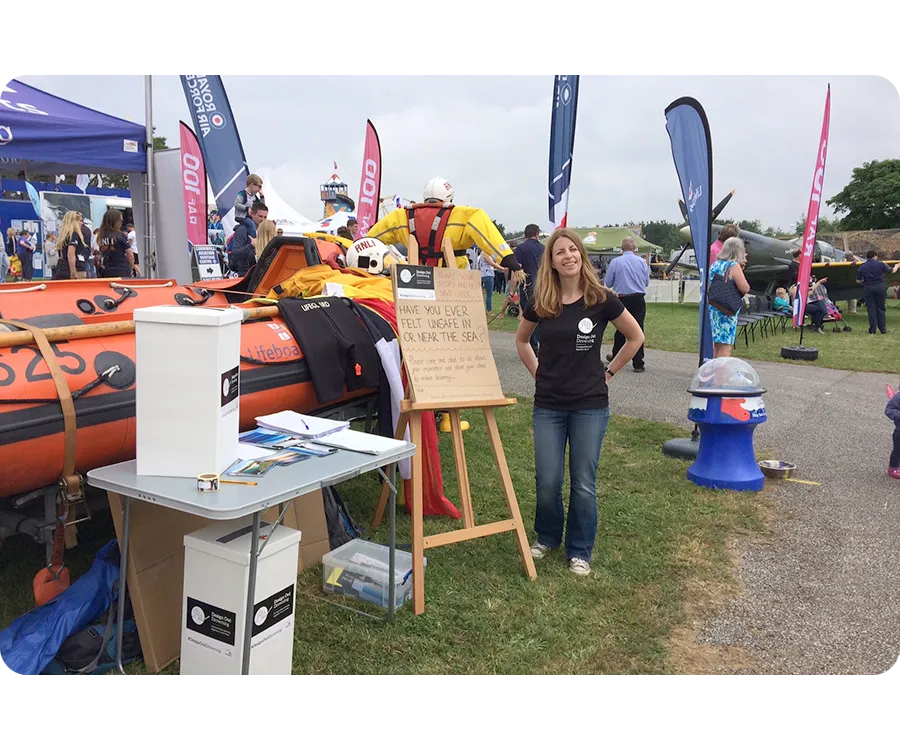
  • Community events and public engagement
  • Stakeholder workshops and online engagement

We spent time with fishermen, surfers, dog walkers, sailors, lifeguards, tourists, swimmers and business owners – building a rich picture of how people interact with the coast.

Our approach

Key insights

From hundreds of conversations and observations, we identified recurring risk factors, including:

  • Low awareness of tides and rip currents
  • Overestimation of swimming ability in open or cold water
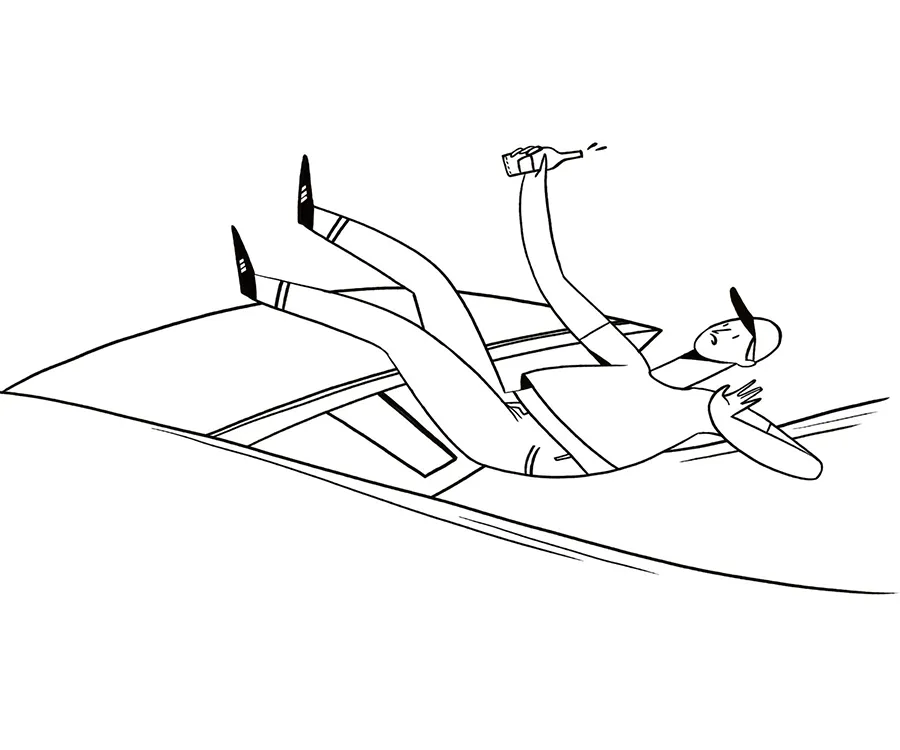
  • Alcohol use and peer pressure
  • Coastal walking with dogs off leads and unsuitable clothing
  • Poor mental wellbeing
  • Ignoring safety advice or signage
  • Not wearing personal flotation devices

These insights helped shift the focus from individual blame to systemic opportunities for intervention.

Key insights

From insight to innovation

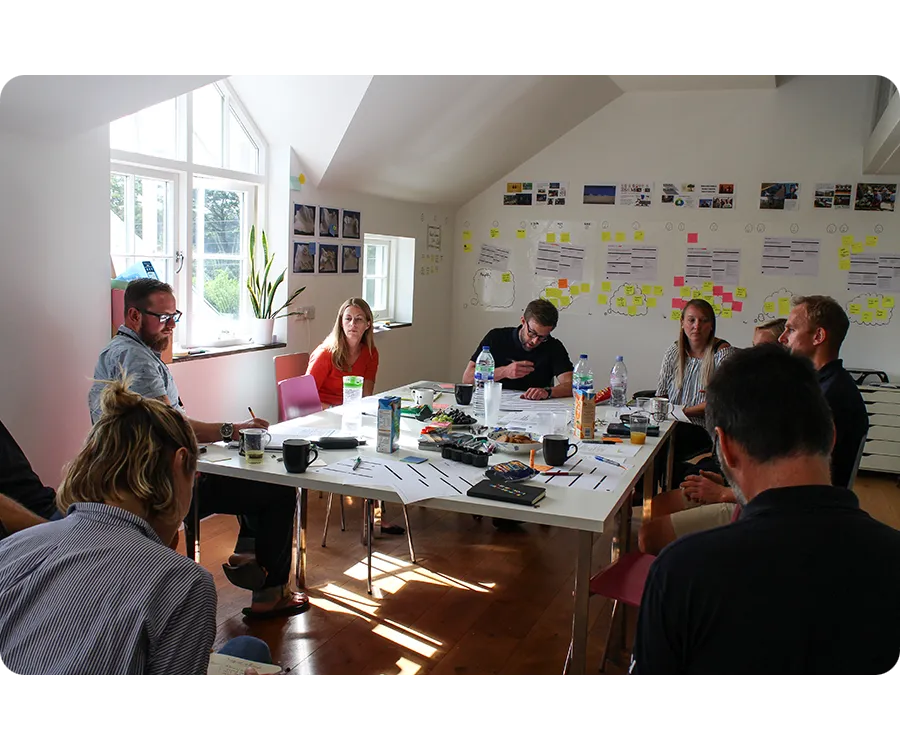
Building on the research, we ran a series of discovery workshops with RNLI staff, designers, businesses and voluntary groups.

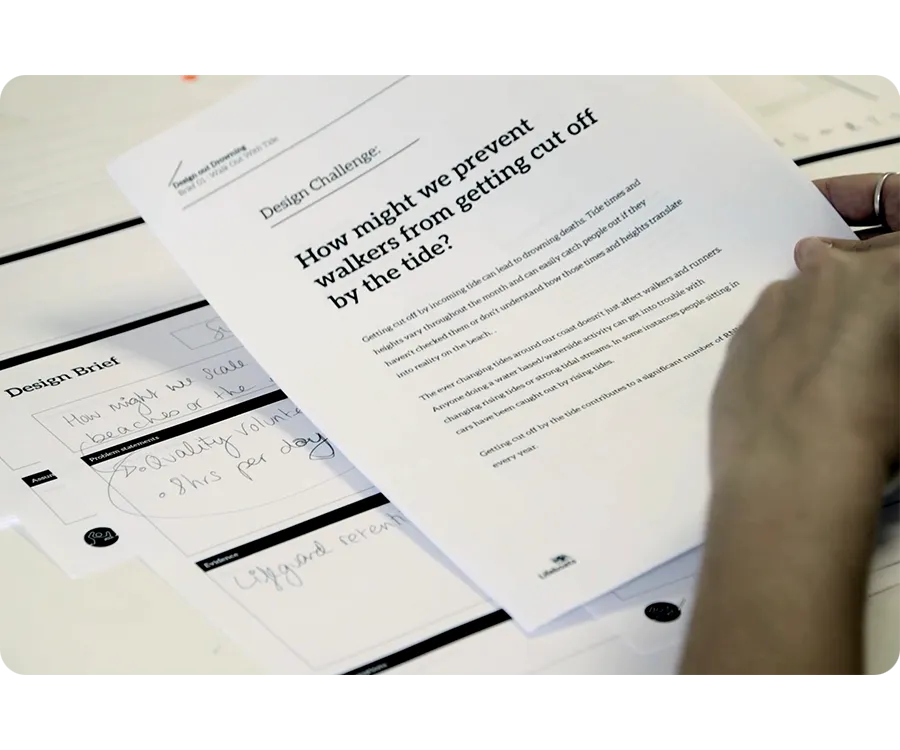
Together, we prioritised challenges, explored opportunities and translated insights into a portfolio of design innovation briefs. Arts University Bournemouth supported this work by linking community insight with environmental site audits.

The resulting briefs focused on three key themes:

  • Safety communications and signage – rethinking how, when and where safety messages are delivered.
  • Coastal wellbeing – supporting positive mental health in waterside environments.
  • Safer coastal environments – designing spaces that reduce the risk of intoxicated people entering the water.

The final set of briefs was launched by the RNLI in early 2019.

From insight to innovation

Outcomes and impacts

The project:

  • Captured powerful lived experiences from coastal communities
  • Built a shared understanding of drowning risk across disciplines
  • Identified local skills, assets and creative capacity
  • Created new partnerships between the RNLI, designers and communities
  • Laid the foundations for future innovation and prevention activity

Public storytelling played a key role, with short filmed accounts from people who had experienced rescues or near misses helping bring insight to life and inform new approaches.

Outcomes and impacts

In working with Made Open, we developed momentum with a fantastic network of talent. They were particularly brilliant at broadening our horizons in terms of potential partners, stakeholders and collaborators – whom we are now working with to help reduce the risk of drowning around our coasts.

Will Roberts, Innovation Manager, RNLI

User insights

We invited people rescued from the sea or who had near misses to share their experiences.

These short, quickly produced films focused on information rather than aesthetics and proved an effective way to capture a range of stories and insights.

Get in touch

Would you like to save your progress?


Note: Saving as a draft means your activity will be available for you to edit in your dashboard.​

Selecting delete marks your activity as deleted in your dashboard.​

Please sign in or register

Delete my account

Selecting this option will permanently delete your account data. You will no longer have access to your account or any associated information.

If you want to request a copy of your data, please wait until you receive your data before selecting this option.

Connect with __XXX__

Search Made Open

X hours given for:
Title

Invite to circle

Share the magic link:

Anyone who follows this link will auto-magically join your circle!

Or share on WhatsApp

Share the auto-magic link in a WhatsApp group.

Cookies on Made Open

We use cookies to give you the best online experience.

Select 'Accept all' to agree to all cookies.

Some cookies are essential. Others can be controlled in your cookie preferences.